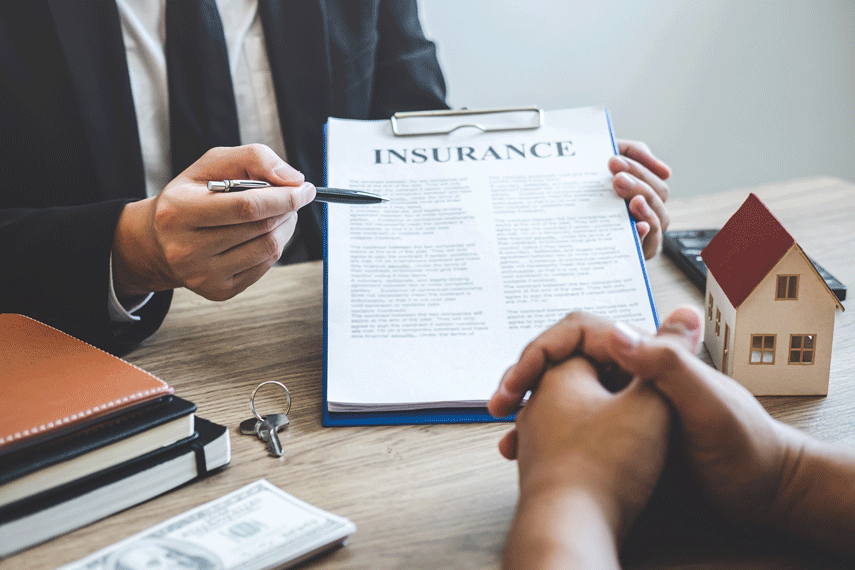
When disaster strikes your Miami home or business, you expect your insurance company to honor the policy you’ve faithfully paid premiums for. Unfortunately, insurance companies often prioritize profits over policyholders, denying valid claims, delaying payments, or offering settlements far below actual damages. At Sue Miami Law Group, we specialize in holding insurance companies accountable and forcing them to pay what your policy truly covers.
From hurricane damage claims in Miami Beach to commercial property losses in downtown Miami, we understand Florida’s complex insurance laws and fight aggressively against bad faith tactics that leave policyholders struggling to rebuild their lives and businesses.
When disaster strikes your Miami home or business, you expect your insurance company to honor the policy you’ve faithfully paid premiums for.
Property insurance disputes in Florida require attorneys who understand both the technical aspects of insurance policies and the specific challenges facing Miami property owners. Our team brings extensive experience representing homeowners, condominium associations, and commercial property owners against major insurance carriers throughout South Florida.
Florida law imposes strict deadlines on both insurers and policyholders that directly affect your ability to recover compensation. Insurance companies must acknowledge your claim within 14 days and complete their investigation within 90 days. However, they have only 20 days to pay approved claims once settlement is reached. For hurricane-related claims, you must file within three years of the storm date, while other property damage claims must be filed within one year.
We understand that Florida Statute 624.155 provides powerful remedies for insurance bad faith, but it requires a 60-day notice period before filing suit. This notice requirement often motivates insurers to reconsider denied claims when properly handled by experienced attorneys.
Recent changes to Florida law have dramatically altered the property insurance landscape. For policies issued after January 1, 2023, assignment of benefits (AOB) has been largely eliminated, making it more difficult for property owners to obtain prompt repairs. We help clients navigate these changes and explore alternative strategies for securing necessary repairs while pursuing insurance recovery.
The elimination of AOB means property owners must now be more proactive in managing their claims and may need to pay contractors upfront while fighting for reimbursement. We help clients understand these new requirements and develop strategies to protect their interests.
Commercial property insurance disputes often involve complex coverage issues, business interruption claims, and substantial damage amounts that can threaten business survival. We understand the unique challenges facing Miami businesses, from restaurants dealing with hurricane damage to office buildings suffering water damage from burst pipes.
Florida’s arbitration requirements for commercial property disputes add another layer of complexity. While arbitration can be faster than litigation, it often favors insurance companies with experienced arbitrators and streamlined procedures. We help level the playing field by ensuring our clients’ interests are properly represented throughout the arbitration process.
Insurance bad faith occurs when companies unreasonably delay, deny, or underpay valid claims. Florida recognizes both first-party bad faith (involving your own insurance company) and third-party bad faith (involving another person’s insurance). We understand the elements necessary to prove bad faith and the substantial damages available, including emotional distress, attorney fees, and punitive damages in appropriate cases.
Recent trends show insurance companies employing increasingly aggressive tactics to avoid paying claims, from hiring biased experts to misinterpreting policy language. Our experience with these tactics helps us counter them effectively and secure fair compensation for our clients.
For most property damage, you must file your claim within one year of when the damage occurs, though hurricane-related claims must be filed within three years of the storm date. However, you should report potential claims as soon as possible since your policy likely requires “prompt” notification. Once you file, the insurance company has 14 days to acknowledge your claim and 90 days to complete their investigation. If you disagree with their decision, you have five years from the date of loss to file a breach of contract lawsuit against the insurer.
Bad faith occurs when insurance companies fail to settle claims fairly and promptly when they could and should have done so. Common examples include denying claims without proper investigation, misrepresenting policy terms, failing to communicate with policyholders, or delaying payments without justification. Under Florida law, you must provide 60 days written notice to the insurance company before filing a bad faith lawsuit, giving them an opportunity to cure the violation. If they don’t respond appropriately, you can pursue damages including the original claim amount, emotional distress, and attorney fees.
For insurance policies issued after January 1, 2023, assignment of benefits (AOB) is generally prohibited for residential and commercial property claims. This means you cannot transfer your insurance claim rights to contractors who would then deal directly with your insurance company. If you have a policy issued before 2023, you may still be able to use AOB, but you must ensure any assignment agreement complies with strict statutory requirements. Without AOB, you’ll need to pay contractors yourself and seek reimbursement from your insurance company.
First, carefully review the denial letter to understand the insurance company’s reasoning and request a complete copy of your policy if you don’t have one. Document all damage thoroughly with photographs and professional assessments, and gather any additional evidence that supports your claim. Many commercial policies include arbitration clauses that require disputes to be resolved through arbitration rather than court litigation. Consider hiring public adjusters or other experts to provide independent damage assessments that counter the insurance company’s evaluation. Given the complexity of commercial policies and the substantial amounts at stake, immediate consultation with experienced property insurance attorneys is crucial for protecting your business interests.
Florida bad faith claims can result in substantial compensation beyond the original policy benefits. You can recover the full amount of your original claim, plus consequential damages caused by the insurer’s bad faith conduct, emotional distress damages, and attorney fees. In cases involving particularly egregious conduct, punitive damages may also be available. The key is proving that the insurance company’s actions were unreasonable and that you suffered additional damages as a result of their bad faith. Recent settlements in Florida property insurance cases have ranged from tens of thousands to millions of dollars, depending on the claim amount and severity of the insurer’s misconduct.


Property insurance claims involve strict deadlines that can permanently bar your recovery if missed. Insurance companies count on policyholders being overwhelmed by the claims process and accepting inadequate settlements rather than fighting for full compensation.
Evidence of property damage can deteriorate over time, making it more difficult to prove your claim’s full value. Insurance companies often pressure policyholders to begin repairs quickly, then argue that the evidence of original damage has been destroyed. Professional documentation and strategic handling from the beginning are crucial for maximum recovery.
Florida’s elimination of assignment of benefits for newer policies means property owners must be more proactive in managing their claims and may need legal representation to navigate the complex process effectively.
Whether you’re dealing with hurricane damage, fire loss, water damage, theft, or any other covered peril, your insurance company has a duty to honor your policy in good faith. When they fail in this duty, you need experienced advocates who understand both insurance law and the tactics insurers use to avoid paying claims.
Our attorneys are available 24/7 to evaluate your case for free.
JD
“Victor is hands down one of the best, if not the best personal attorney in Miami. No matter what you’re dealing with, this man is honest, relentless, confident, and worth every penny.”
8660 West Flagler Street, Suite 100, Miami, FL 33144